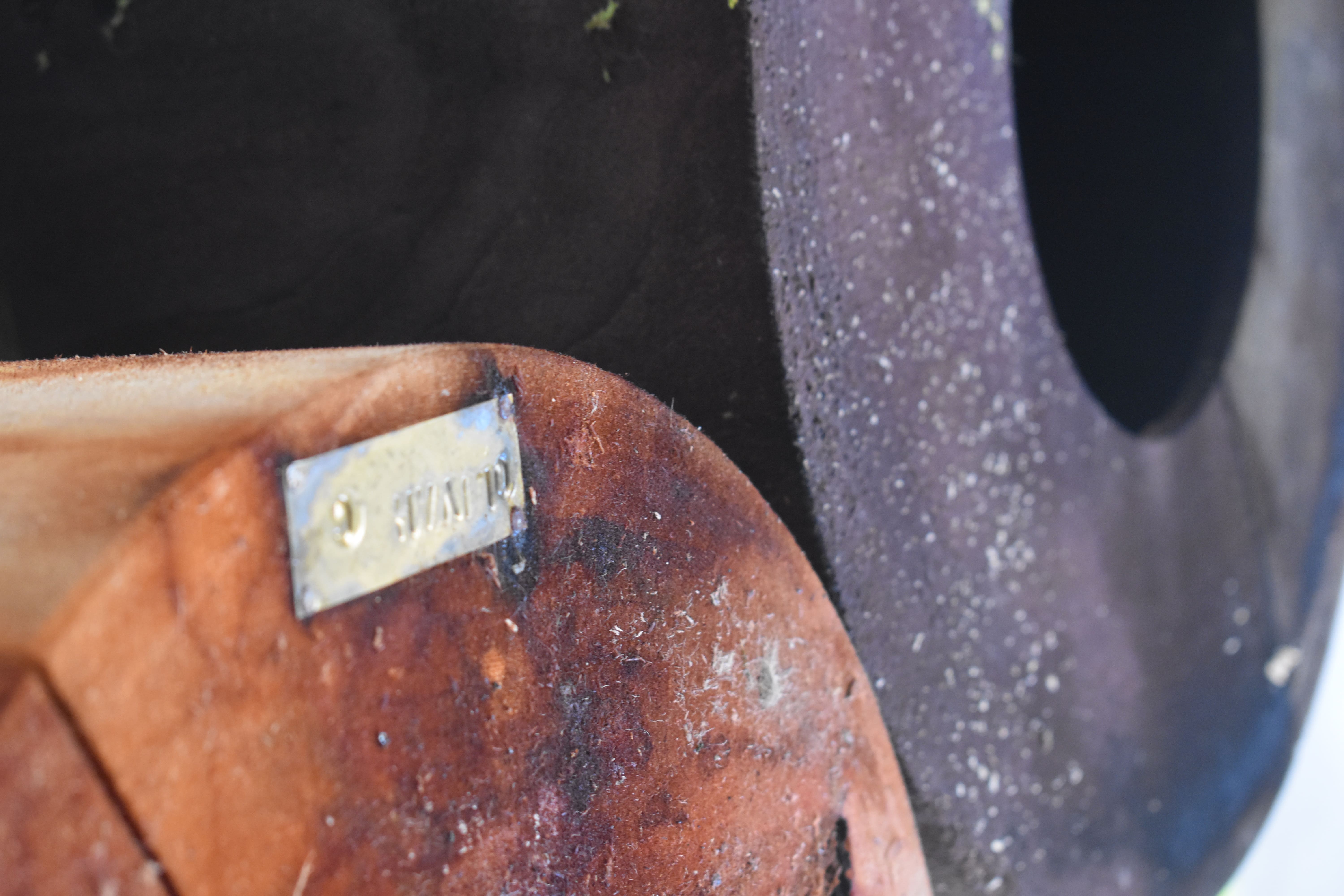
Since Olivah’s founding, we have explored Portuguese natural stone as a starting point for new creative possibilities that bring together territory, tradition, and design. Following BROOT: Dialogues from Within, which explored the natural landscape as the origin of Portugal’s earliest crafts, BROOT 2 – Crafted by Dialogues continues this exploration, shifting the focus to the human and social landscape to understand how, over the centuries, productive communities have shaped the knowledge that defines Portugal’s material identity.
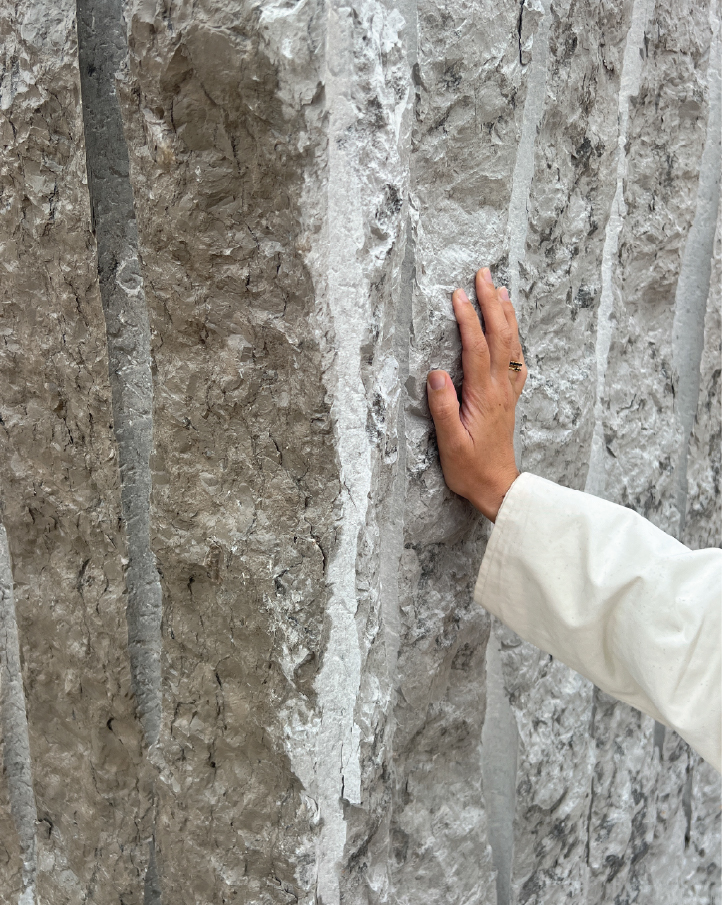
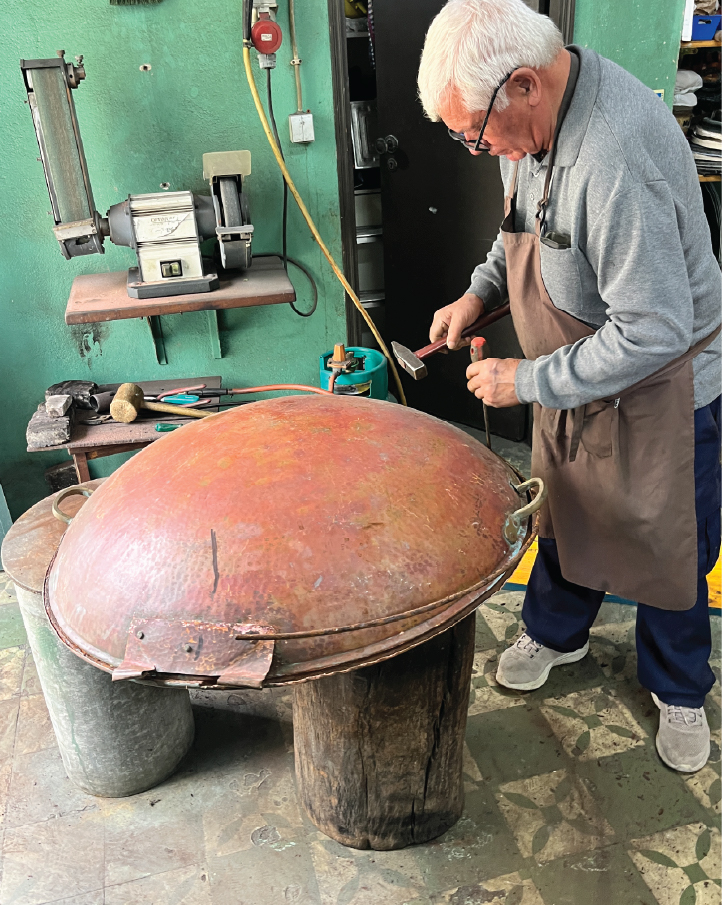
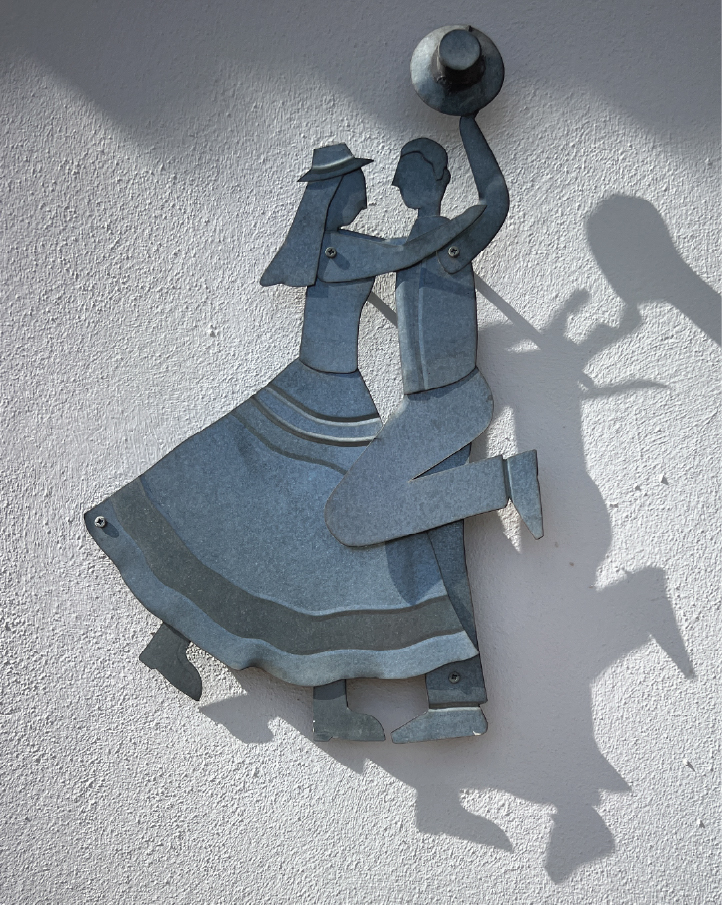
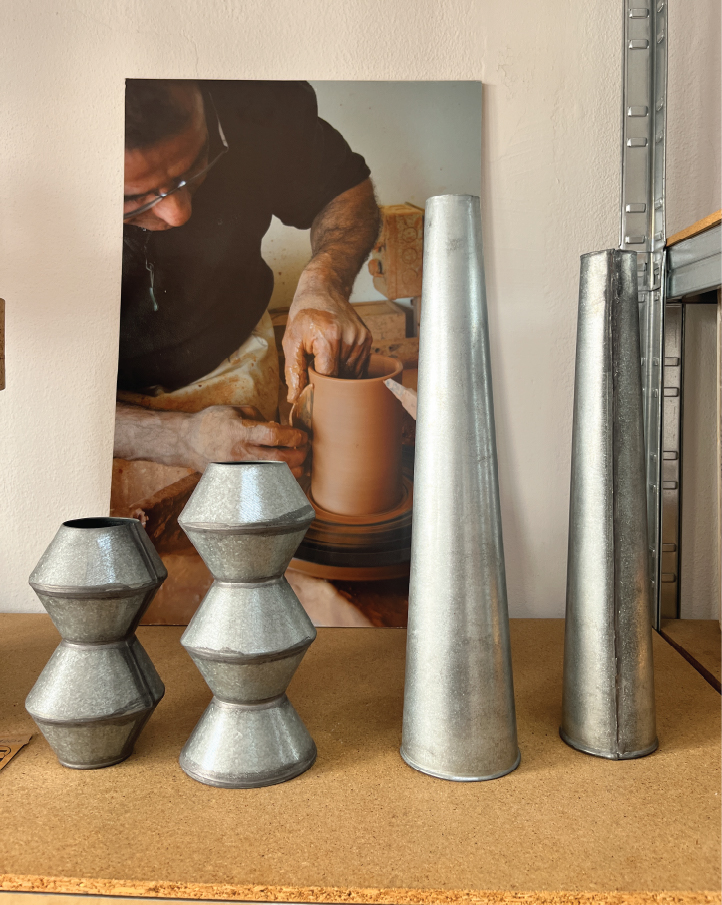
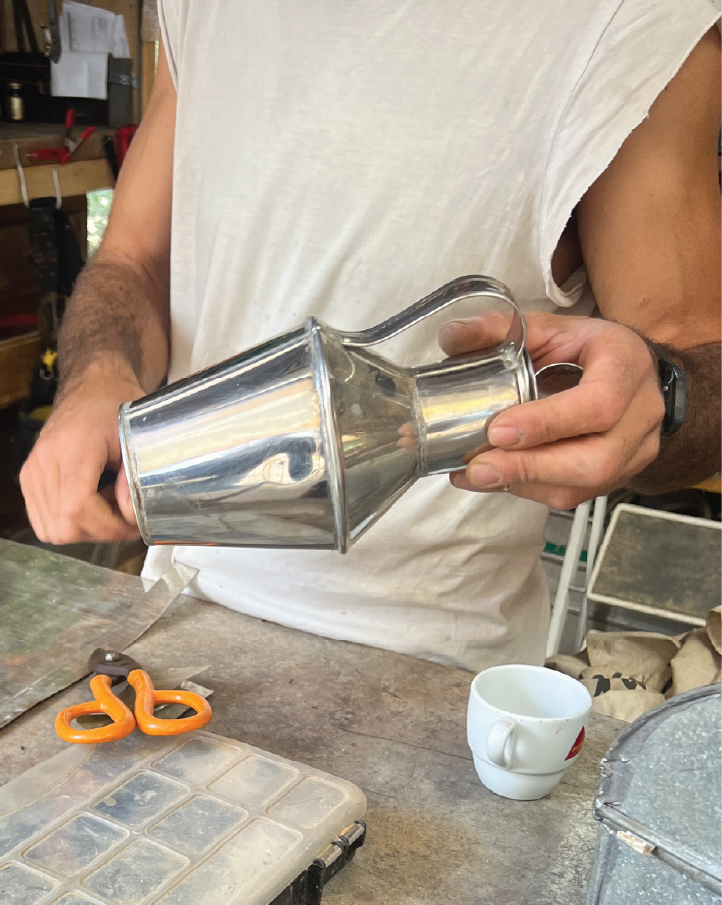
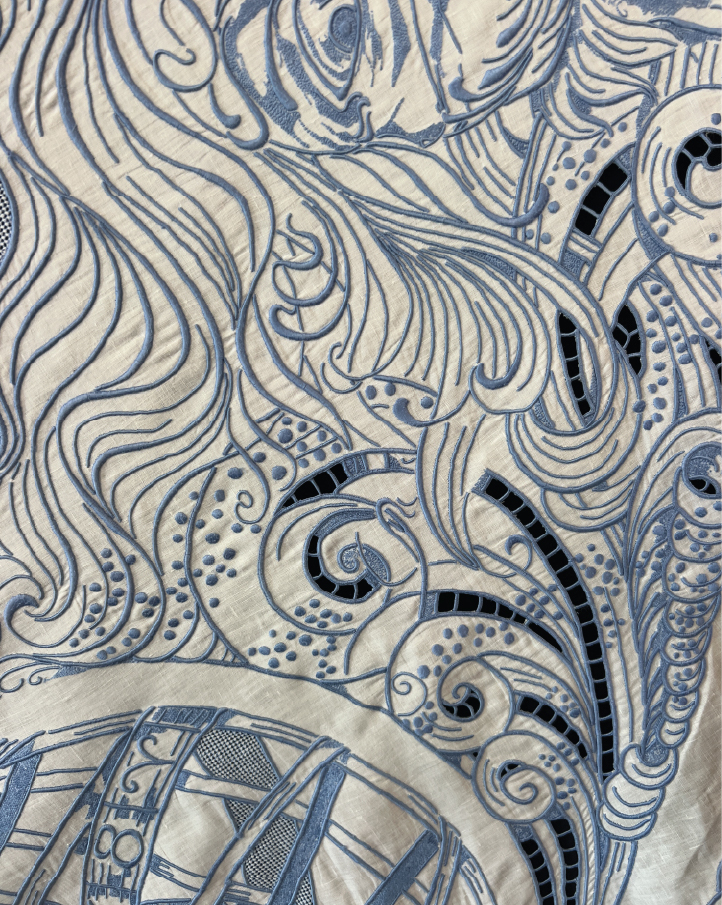
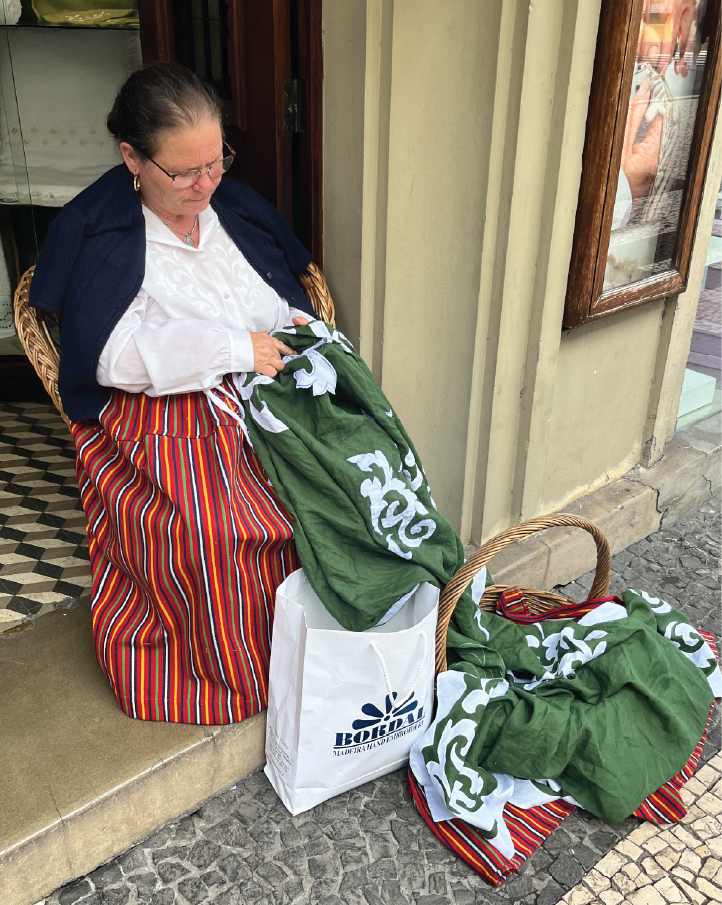
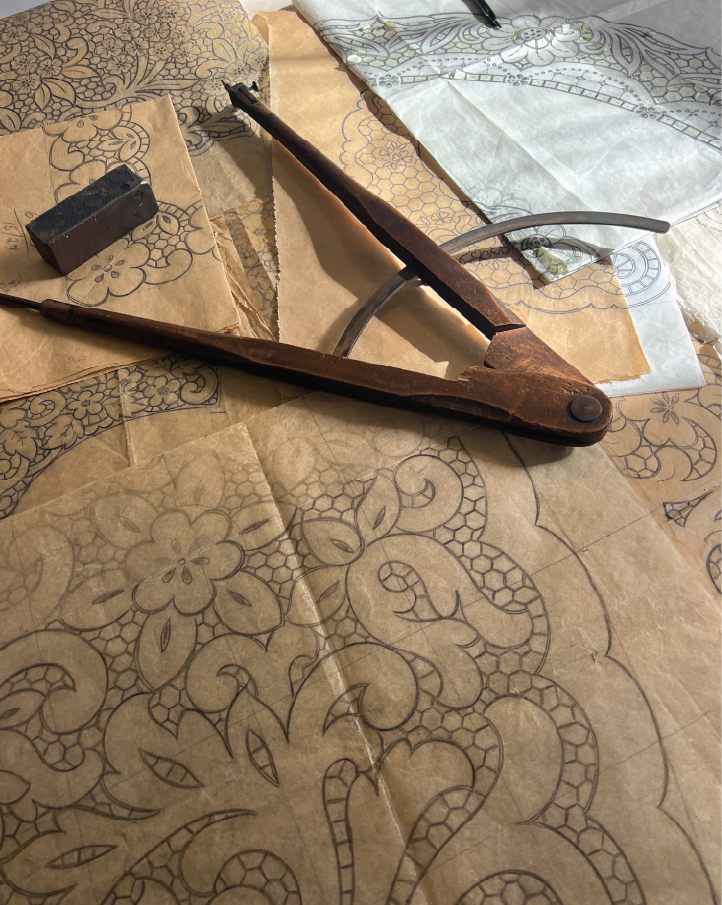
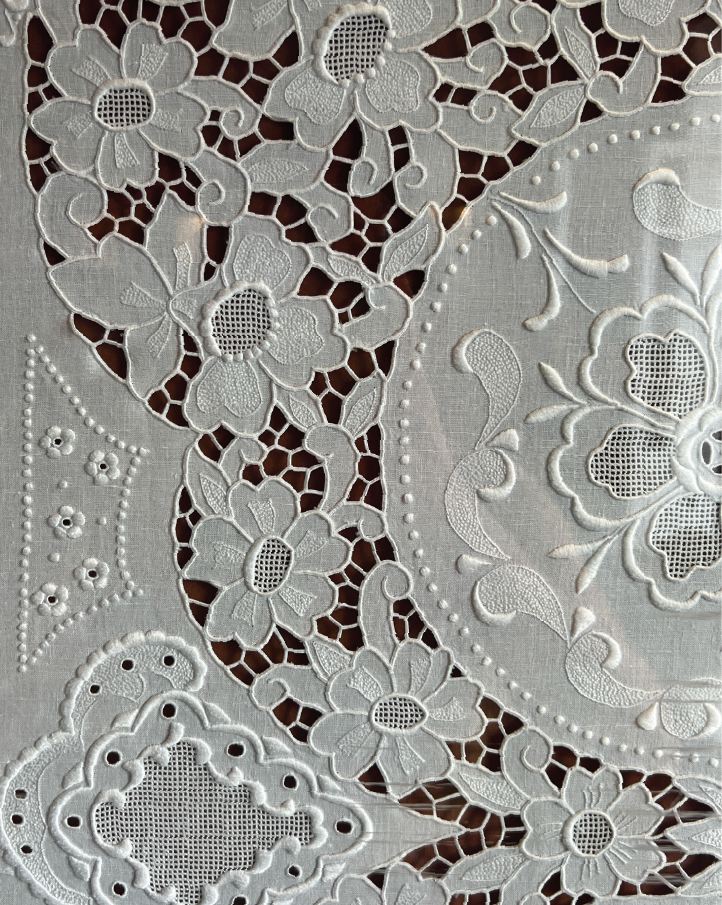
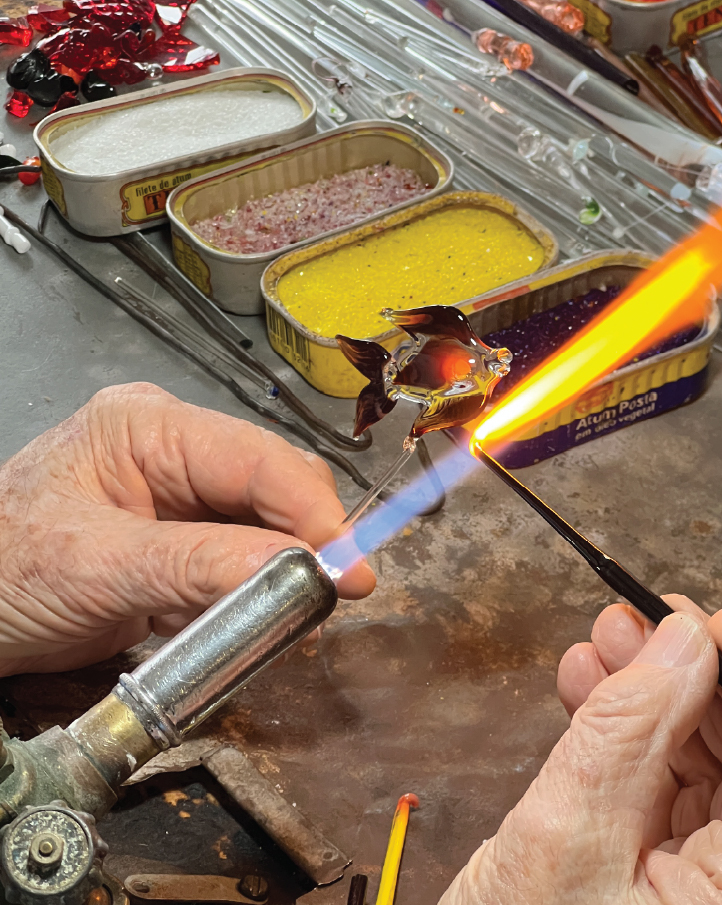
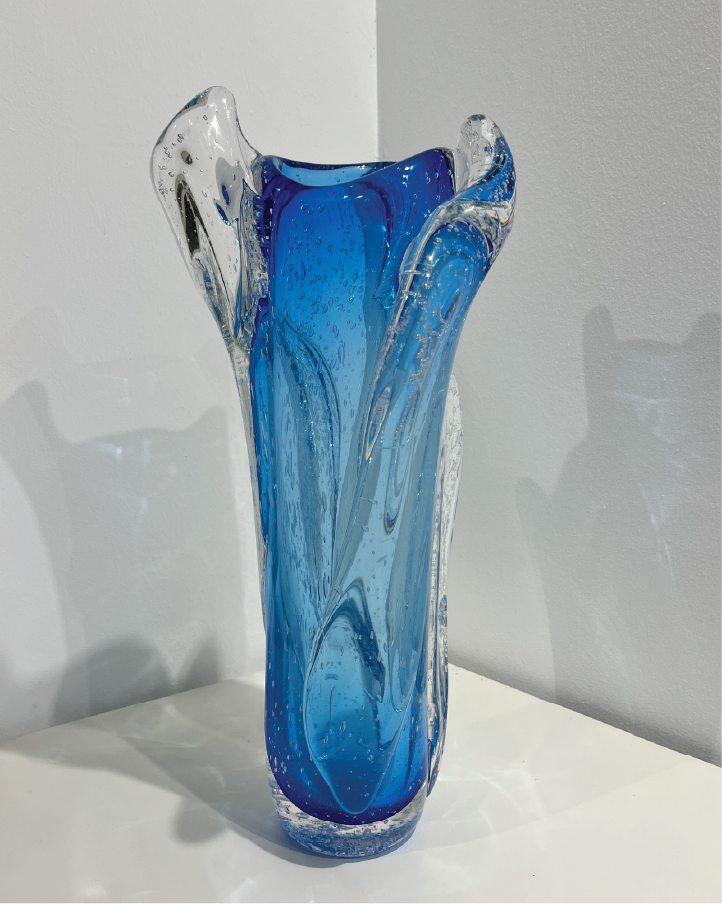
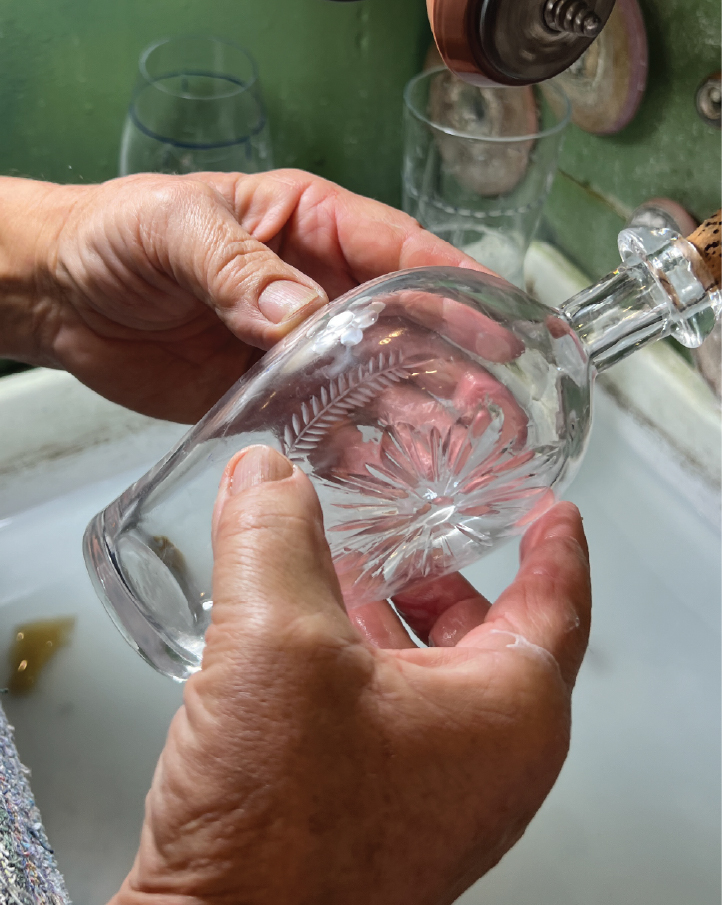
Organized by Assimagra and curated and produced by Olivah, the project brings together designers, artisans, and industry in a collection of objects that arises from the intersection of Portuguese natural stone and crafts developed in pre-industrial contexts, where technique, collective organization, and the transmission of knowledge play a central role.
The title “Crafted by Dialogues” captures the essence of this second edition. Each collection arises from a dialogue between Portuguese natural stone and a craft that shares the same regional origins, revealing relationships forged over centuries between materials, community, and craftsmanship.
These dialogues extend far beyond the subject matter. They take place between designers and artisans, between tradition and innovation, between handmade production and contemporary industry, bringing together different forms of knowledge through a common language of design.
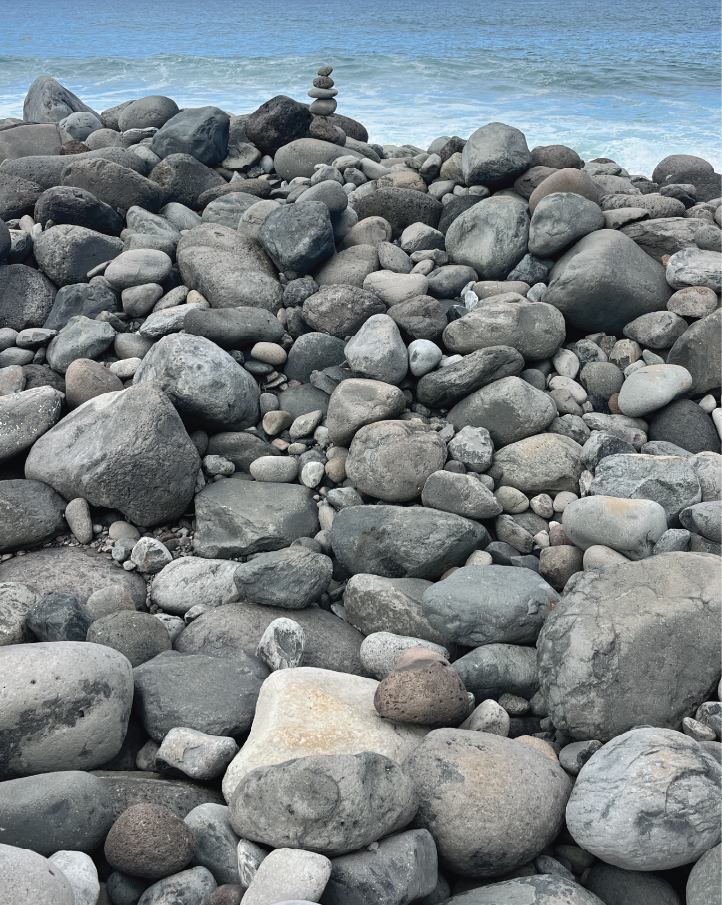
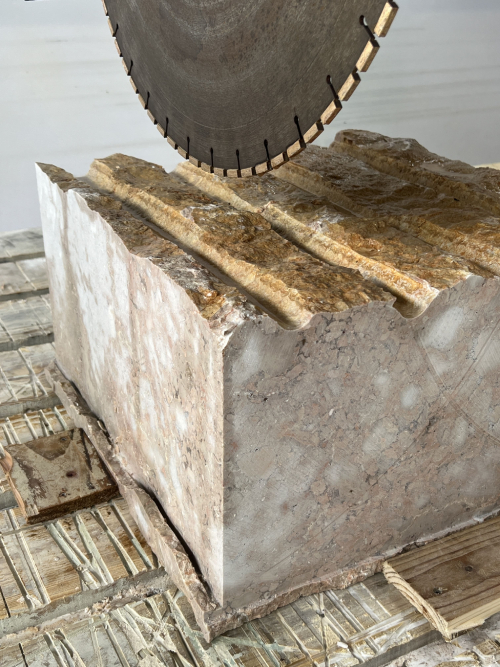
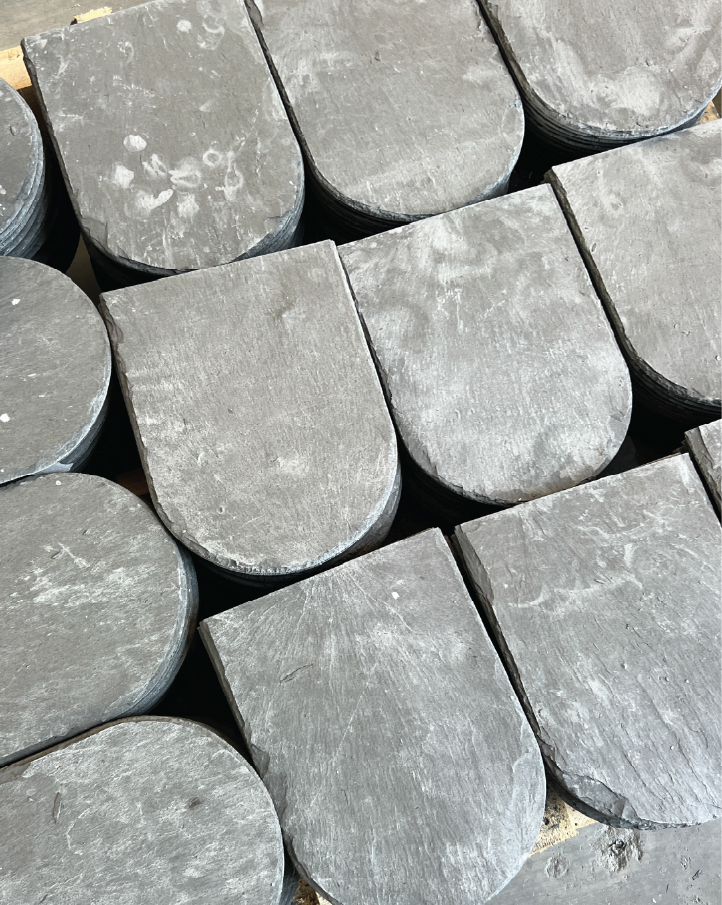
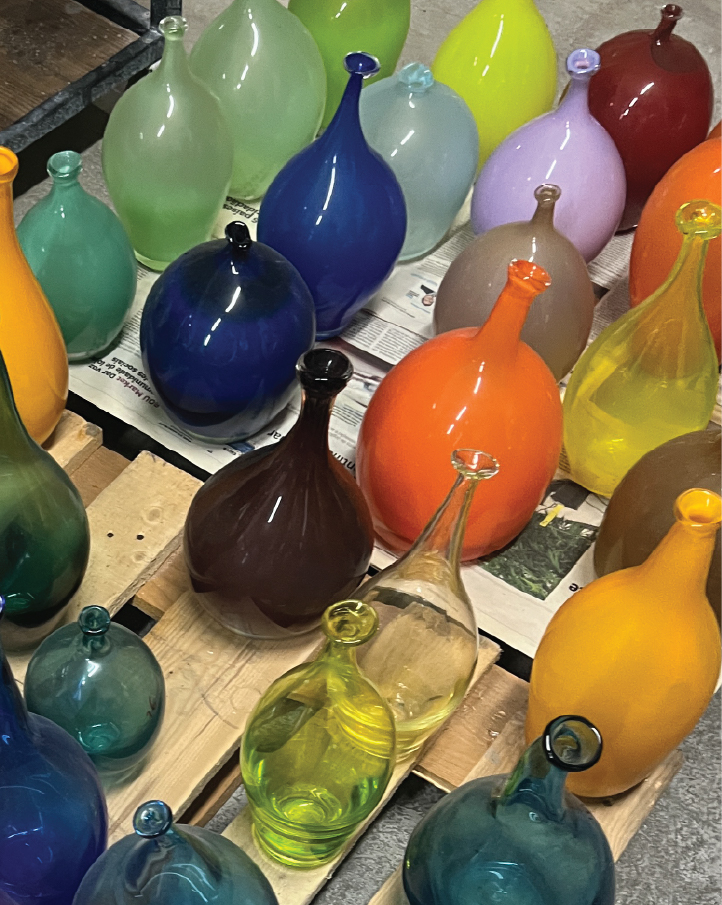
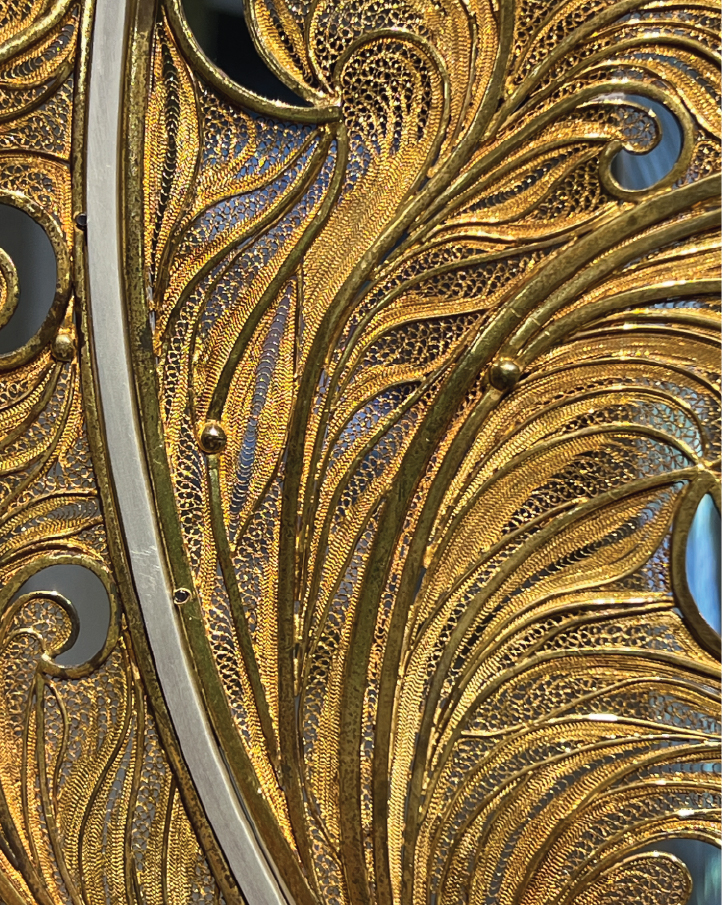
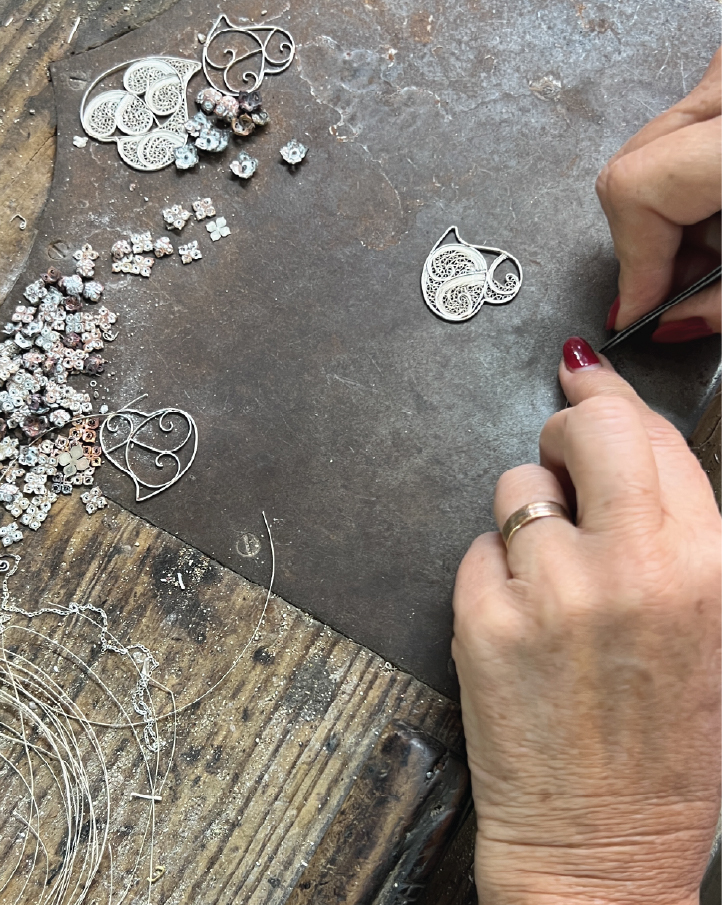
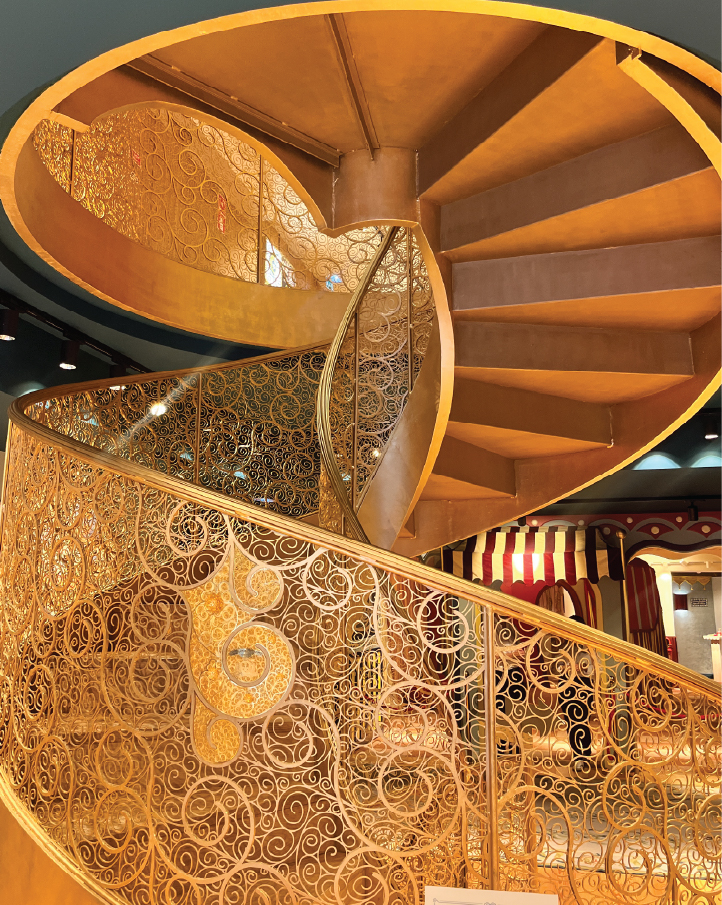
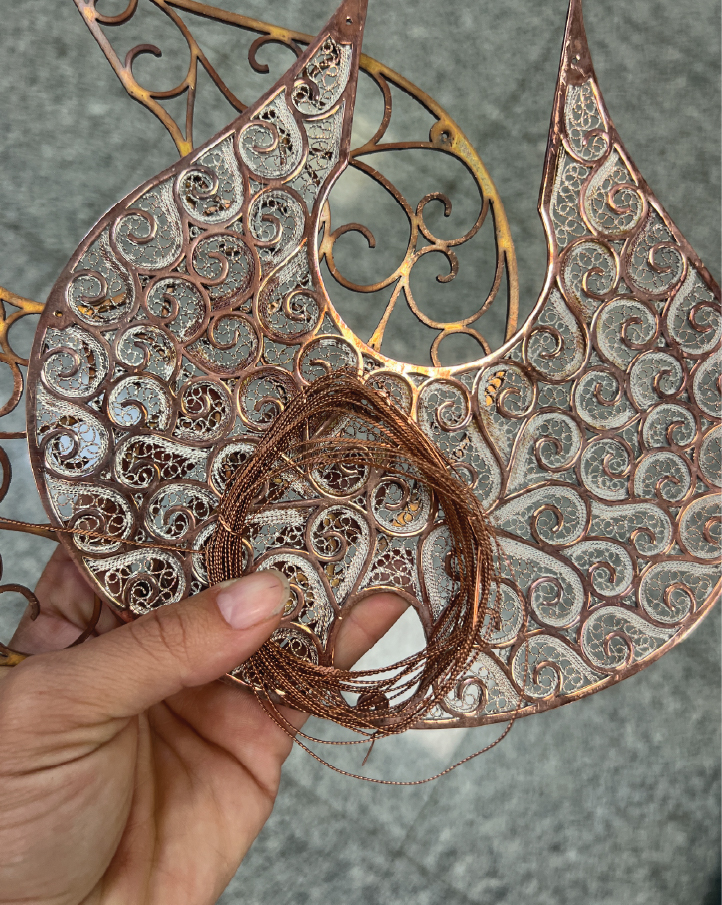
The four dialogues in this edition bring together Cadoiço Limestone and Blown Glass, Slate and Filigree, Breccia and Metalwork, and Tumbled Basalt and Wood Embroidery. Each collection explores the affinities between Portuguese natural stone and a specific craft, revealing new perspectives on the region through design.
While the first edition explored the essential practices linked to survival and the direct transformation of natural materials, this new phase focuses on crafts that emerged within a context of greater social and productive organization. Glassblowing, filigree, sheet metal work, and traditional embroidery emerged when craftsmanship ceased to respond solely to immediate needs and began to express technical specialization, cultural identity, symbolic value, and economic circulation.
Still guided by the territory, the soil, and the stone, BROOT 2 shifts its focus to the human and social landscape, analyzing how workshops, communities, and production systems have contributed to the evolution of Portuguese crafts.
This methodological shift is also reflected in the scale of the collection. While the objects in the first edition explored a more architectural and territorial presence, in this research we opted for smaller pieces capable of concentrating a high degree of conceptual and technical value. The reduced scale brings the viewer’s gaze closer to the gesture, the tool, and the precision of craftsmanship, allowing each object to reveal, in detail, the complexity of the dialogues that gave rise to it.
BROOT 2 reaffirms Olivah’s commitment to a research practice in which territory, materials, and culture remain inseparable. While the first project sought to understand the origins of traditional crafts through the natural landscape, this new phase traces the evolution of that journey, revealing how craftsmanship has developed through communities, tools, and production systems.
More than just creating objects, BROOT continues to foster dialogue between materials, crafts, people, and the region, demonstrating that understanding Portuguese natural stone also means understanding the history of those who have shaped it over the centuries.
Project: Assimagra.
Curated and produced by: Olivah.
Funding: PRR through the Sustainable StonebyPortugal agenda.
Previous project
Next Project